

Lunart & Metalcatto
It’s time for yours truly to give you a proper top list of something! Since you’ve been asking for one a zillion times on social media, I couldn’t say no. However, being a fervent supporter of the division of labor and a total snob, I’ve teamed up with Lunart—someone with an actual arts degree—to judge the best album art of the year. So, this isn’t just my peasant opinion; it’s also supported by the refined taste of someone who knows the field. That means you’ve got to bend the knee, right?
Before you lose it, yes, we’re aware many of the best works this year are adaptations of classical paintings. But let’s be real—that doesn’t take away from the incredible worlds they transport us to, especially when combined with the music. Let’s dive in!
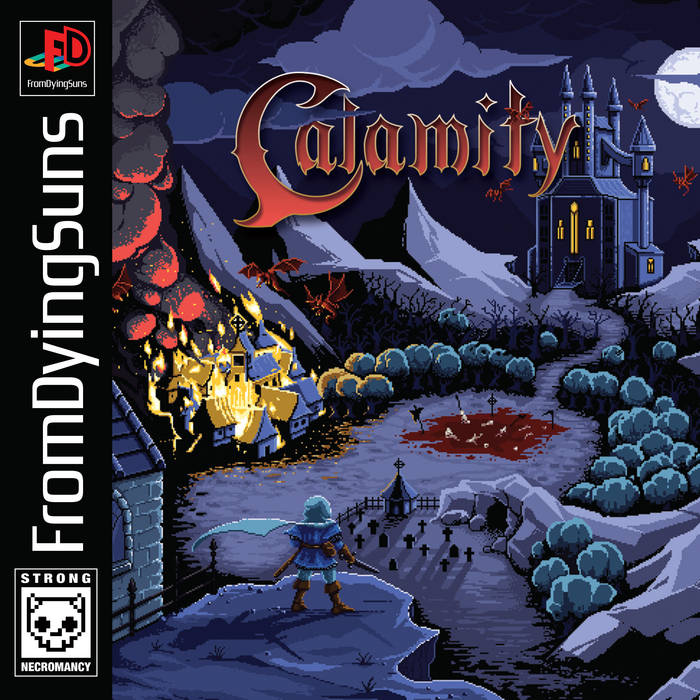
Honorable Mention. From Dying Suns – Calamity: I chose this one because so much of our community leans into the evil and edgy vibe. Sometimes, we all need a break from the posturing to appreciate something genuinely enjoyable. For those of you who grew up with an old PlayStation (not me, though), this is the nostalgia trip you didn’t know you needed.
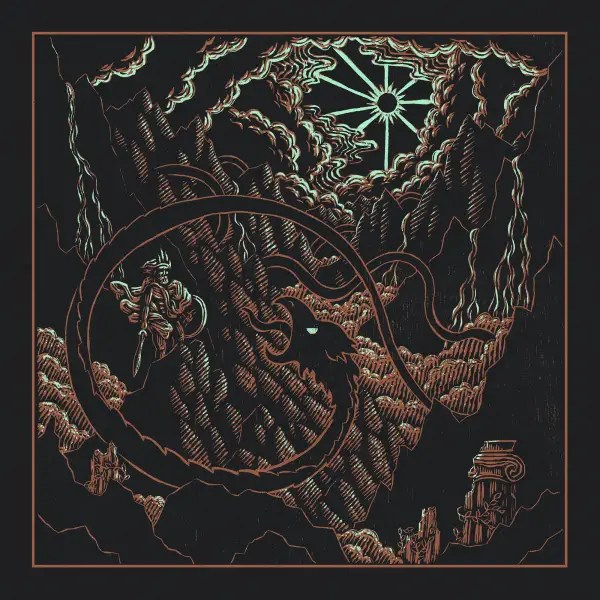
7. Ceremony of Silence – Hálios: You might think this cover doesn’t look that interesting at first glance, but I’ll politely disagree. Ďurčík has an eye for color and contrast that feels immensely satisfying. Despite the mysterious tone of the art, the album delivers competent and destructive Disso-Death that challenges our perceptions. Few covers capture the ingrained Central European fear of dark woods quite like this one.
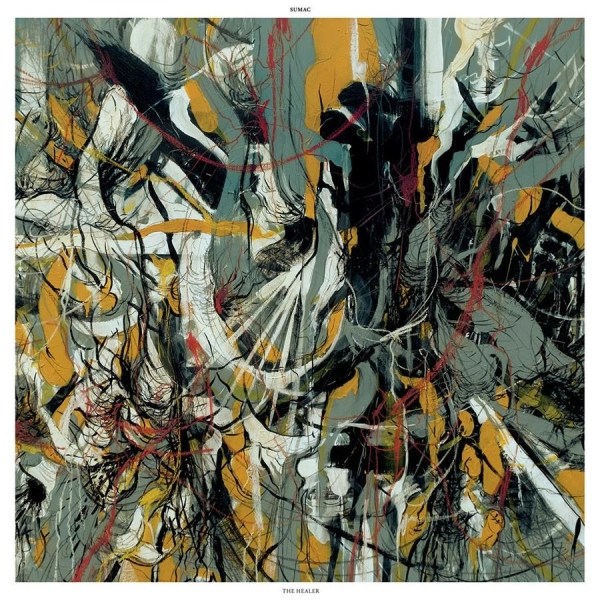
6. Sumac – The Healer: Let’s talk abstract. Sumac has always defied labels, creating almost improvised Noise-Post-Metal. It’s the embodiment of inescapable anxiety, and Turner’s artwork reflects that perfectly. The piece feels like nothing yet everything—your fears in visual form.
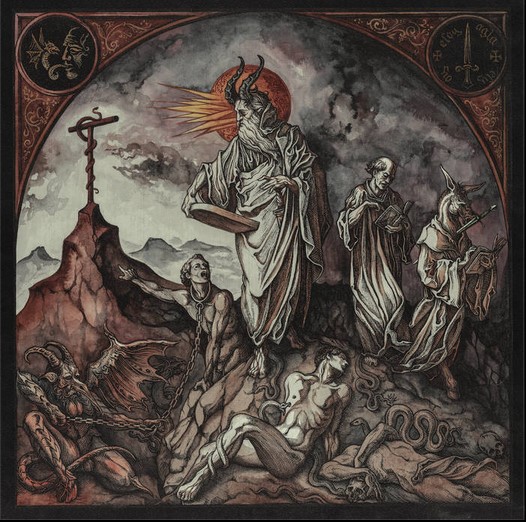
5. Whoredome Rife – Den Vrede Makt: We almost overlooked this one, but there’s no way we could miss its striking aesthetic. It’s macabre, tortuous, and clearly a homage to earlier eras in style and substance. Some critics might knock it for looking overly digital or borrowing heavily from old-school art, but Alegria has nailed the marketing team’s dream: selling an album by its cover alone.
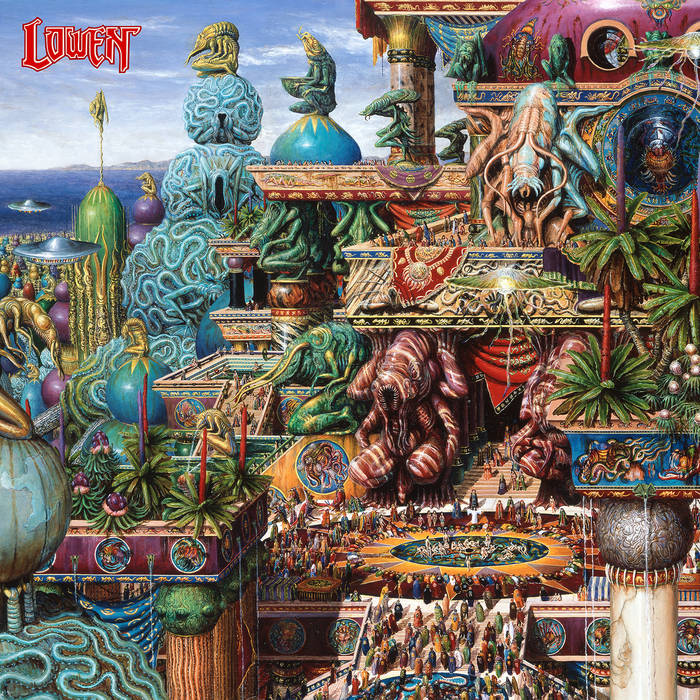
4. Lowen – Do Not Go to War with the Demons of Mazandaran: What’s happening here? No idea. But Hervé Scott Flament shows us that chaos can be utterly mesmerizing (as much as the music here). The piece matches Lowen’s vibe—fun, frenzied, and full of depth without veering too light or too dark. Also, props to a Metal album that actually uses color! I’m over the endless shades of black that so many bands love to use.
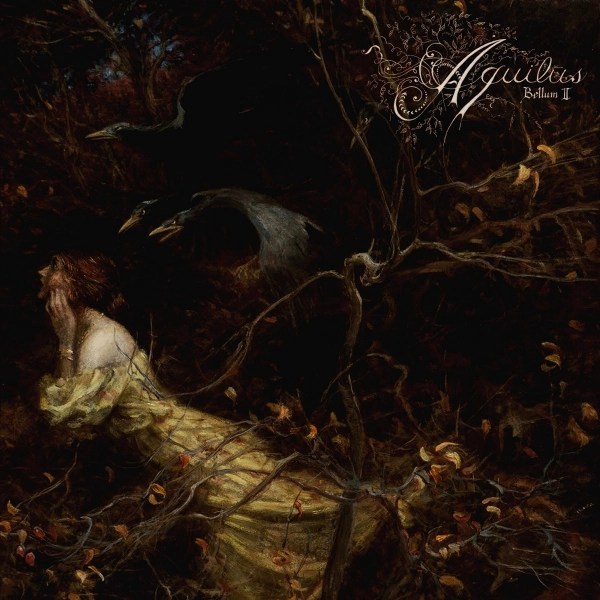
3. Aquilus – Bellus II: In Lunart’s words: It feels quite scary if a flock of birds suddenly chases you out of the woods. The scene is dark, the birds close in, and your dress snags on branches. The woman’s despair is palpable as she gazes upward, her hands clasped to her cheeks. Alvarado and Mulgrew’s adaptation of Arthur Rackham’s art captures a horror-movie moment that’s both terrifying and hauntingly beautiful. The dress blending into the autumnal background is masterful. The beauty of art lies in its ability to show a story through a lens—this one reveals a vivid, layered narrative.
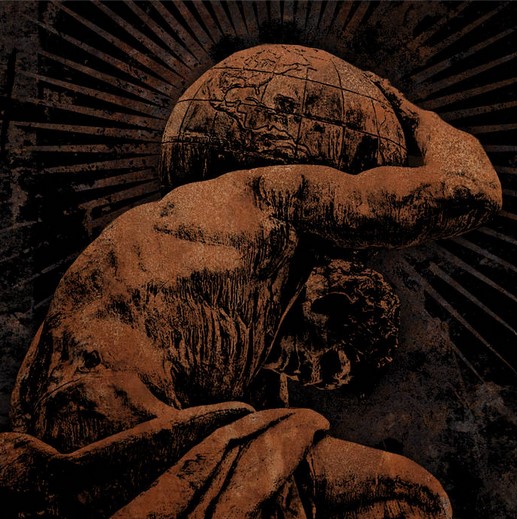
2. Panzerfaust – The Suns of Perdition Part IV: To Shadow Zion: Lunart put it best: Atlas, condemned to hold up the heavens for eternity. This cover references Greek mythology but innovates with sun rays—something unseen in early modern depictions of Atlas. The apparent simplicity masks intricate details that reveal themselves on closer inspection. Valkenstijn’s take on Kollwitz delivers a work that’s both terrific and devastating.
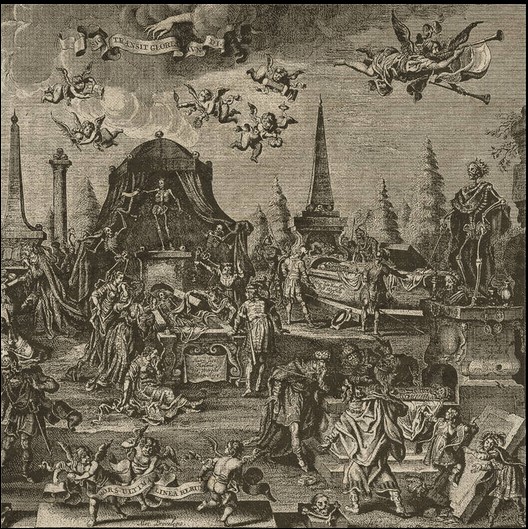
1. Misotheist – Vessels by Which the Devil Is Made Flesh: Yes, it’s based on an old engraving, but let’s admit it: it just fits this album elegantly. This cover is brimming with moving skeletons, angels, and pyramid pillars—a surreal, imaginative world rooted in superstition, morality, and religion. It draws clear inspiration from the 17th-century print Sic Transit Gloria Mundi (or Allegory on the Vanitas), celebrating fleeting pleasures. Like music, it’s transient yet profoundly impactful.
The competition was fierce, especially at the top. Should we reward originality, the quality of adaptation, or how the art feels alongside the music? Personally, I lean toward the third option. Regardless, let’s celebrate this year’s stunning artwork, which beautifully represents our beloved community.
 Metal Eclipse Reviews
2 comments