

Vicky
I decided to share wisdom on the Doom Metal phenomenon after being asked to do so by some friends who have started listening to this style of Dark Metal and couldn’t find any good bands except for My Dying Bride – according to them, of course.
Obviously, there are tons of other great Doom Metal bands besides MDB, and in this article we are going to explore them, together with various subgenres of the ol’ doom and chain (by the way, if you got that pun, we are officially friends).
To give an accurate description of Doom Metal, instead of just saying “it’s sad goth music”, this style belongs to Extreme and Dark Metal, it was initially perceived as a slower-than-usual Death Metal, and its lyrics tend, indeed, to speak about sorrow, perish, mourning, and overall death. Its pioneers are thought to be Witchfinder General, Pagan Altar, Candlemass, Cirith Ungol, amongst others. Black Sabbath is also often listed as one of the major influences of the initial Doom Metal bands, but due to faster songs like “Paranoid”, we can’t consider it a pure Doom Metal group itself.
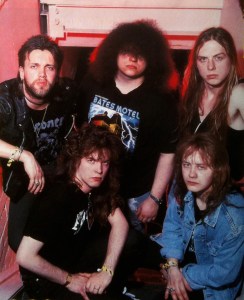
Alright, to be completely fair, Doom Metal is more often than not a dependent style, meaning that it can’t exist on its own. Whether it’s combined with Symphonic, Black, Death, Power, Epic, or Gothic Metal, this melancholic genre can’t stand on its own two feet. Thus, we begin our journey through the Doom styles. Here are the most popular Doom Metal types, with examples:
Atmospheric Doom – As the title says, this genre is soft, laid back, and perfect for an autumn of despair. It often acts like Prog Metal does, meaning that it usually goes from something more on the soft side, to brutality. Bands: Clouds, Lethian Dreams, Trees of Eternity, Hallatar, Light Field Reverie, The Gathering (only the earlier works, beware!), Lachrima Corphus Dissolvens, Arcane Sun, and others.
Black Doom – Shrieky vocals, doom-y atmosphere, distorted, Black Metal-esque guitars. Imagine having the lyrics usually present in Black Metal, but combined with a touch of sorrow and nihilism. A treat for the fans of the really extreme music. Bands: Woods of Ypres, Burial In The Woods, Abandoned Dreams, Fell Ruin, Celestial Mourning, Mist of Misery, etc.
Death Doom – One of the most common of the Doom subgenres, alongside Gothic Doom. It blends the Death Metal growl style with the bleak, Doom, instrumentals. Without further ado, here are some Death Doom bands: Autumn Woods, Beneath The Frozen Soil, Katatonia (early works only!), Eternal Solitude, Etherial Winds, Anathema (early works only!), My Dying Bride, Paradise Lost, Swallow The Sun, Endless Dark, and others.
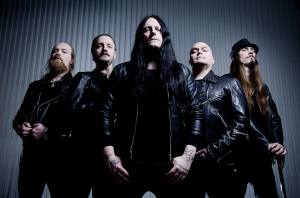
Depressive Suicidal Black Metal – As if Black Doom Metal wasn’t enough, DSBM is the even sader, younger sibling. The vocal part is surprisingly interesting, singers’ techniques ranging from whale-like shrieks (Nattramn from Silencer is being mentioned. We won’t talk about his circumstances though), all the way to clean vocals. Bands: Silencer, Leviathan, None, and many more.
Epic Doom – One of the original types of Doom Metal. A very important characteristic is (usually, not always) the operatic voice on a melancholic background. A very complex Doom subgenre. Bands: Doomnezeu, Funeral Circle, Solitude Aeternus, Servants To The Tide, Black Tears of the Fallen, Tales of Mike, Altar of Oblivion, Well of Souls, etc.
Folk Doom – With this genre, you get the best of both worlds: the traditional instruments used in Folk Metal, plus the slow, Doom Metal. Bands: Evadne (the latest album!), Katatonia (later works!), Against The Seasons, Estatic Fear, Mourning Beloveth, etc.
Funeral Doom – The lyrical themes present in Funeral Doom are dreadful, scorching, and downright chaotic. This subgenre has its origins in the first few Paradise Lost and Autopsy albums, which also incorporated funeral dirge music. The name, of course, comes from that of the band Funeral, from Norway. Bands (besides the ones already stated): Shape of Despair, Mournful Congregation, Doom:VS, Winter, Cathedral, and others.
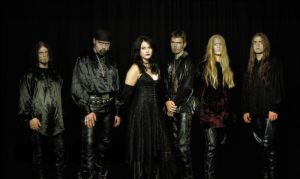
Gothic Doom – One of the most common Doom subgenres, alongside Death Doom. The lyrics are usually about emotions or gothic fiction, meanwhile the main vocal style specific to this genre was invented by Theatre of Tragedy around 1994, and it’s called “the beauty and the beast” type of vocals: meaning a clean, female voice (usually soprano), and a male, harsh voice. Bands: The Sins of Thy Beloved, Tristania, Sirenia (early works!), Interitus Dei, Inferialis (band which later on formed O-Zone, known for their international hit “Dragostea din tei”), To Cast A Shadow, Offertorium, How Like A Winter, Penumbra, DinUmbra, etc.
Instrumental Doom – This can’t get any clearer, so let’s see some bands: Omega Massif, Desperandum Gothica, Oracle, and more.
Melodic Doom – Here come all the bands you wished to see from the beginning. As the title states, it’s more melodic than your average group, but not enough to be considered Symphonic. Bands: October Tide, Novembers Doom, Shores of Null, The Foreshadowing, Ocean of Grief, In The Woods…, Daylight Dies, Draconian, Officium Triste, Dawn of Solace, etc.
Power/Progressive Doom – Often strangely empowering, sometimes dark. This genre doesn’t really exist, it’s just an extension to the Power Metal genre. Usually, the bands are either more Power-y, or more Doom-y, the two styles aren’t blended perfectly. Bands: Beautiful Darkness, Catharsis, Doomsword, etc.
Symphonic Doom – Mostly a blend between Goth/Doom and Symphonic Metal. Bands: Within Temptation (early works!), Silentium, Abyssic, Ad Vitam Aeternam, Orkrist (early works!), etc.
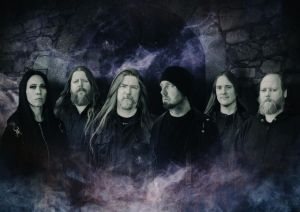
After reading this article, and listening to all the bands listed, your training is complete. You are officially a Doom Metal expert. Now no one can fool you by saying that Candlemass is Power Doom Metal ever again. Feel free to get on with your life and be happy. Stay doom!
 Metal Eclipse Reviews