

Metalcatto & Vicky
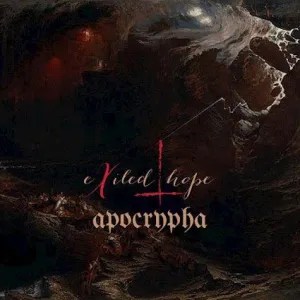
As usual, I want our interviews to be about more than just the albums.I know many artists will sigh at this, since they see an opportunity for ruthless self-promotion slip away—but that’s not the case, people! We want to give you layers, and today we have Fia from Exiled Hope, someone who’s aiming to become a lawyer and defend your (yes, your!) rights against the predatory hands of the merchants of death. (That’s the music industry, of course.). But first, we asked Fia a bit about Apocrypha, her latest album—you know, the one Vicky reviewed here!
Fia:“Musically, I wanted to create music that I would love to hear as a listener. My approach to composing music is very playful, despite the serious subject matter. I listen to other artists’ music, think ‘what if x elements of this song were changed to y, just for fun,’ and mix and match different aspects of songs I like into my own songs. ‘Over For You’ is a great example of this; I mixed folk elements with symphonic and melodic death metal elements because I was curious about how a song like that would sound in my style and my voice…”
You see? Just because someone is having fun doesn’t mean they can’t write interesting and challenging music. Try telling that to every Disso-Death and Disso-Black Metal band that takes itself way too seriously. And to add more seriousness to the subject, get this—just look at what this album is actually about:
Fia:“The lyrics of Apocrypha tell a dystopian tale about a totalitarian government, but in a medieval fantasy setting with gothic elements. The story is inspired by George Orwell’s 1984, Ray Bradbury’s Fahrenheit 451, and by true events that occurred in the aftermath of the Russian Revolution. The setting and aesthetic of the world are inspired by the works of Nathaniel Hawthorne, Edgar Allan Poe, and the gothic horror genre as a whole. A high-ranking official from the corrupt city government discovers that the city’s overlords maintain their supernatural powers by conducting ritual sacrifices to appease their gods. Through a series of encounters with the ghost of a long-forgotten folk hero, and by facing the true nature of the powers he has been gifted (or cursed) with, the protagonist must decide whether to follow the evil path that has been laid out for him, or to renounce his power and rebel.”
The literature and history nerd in me rejoices. Sure, those influences are well-known, but they’re fertile ground. And if you’re thinking, “Wow, this sounds like someone with a legal mindset,” you’re not wrong. The idea of systems, rules, and rebellion runs deep here.
Fia:“I’m never truly happy with my guitar or vocal parts, so as proud as I am of this album, I would redo certain guitar and vocal parts if I had the skills to execute them the way they sound in my head.”
I’ve always appreciated that, in these interviews, musicians aren’t afraid to be vulnerable and admit what they’d improve. We rarely stop to consider how they feel about the art we critique or praise. We’re too busy drowning in our own taste.
Fia:“I have a naturally lower singing voice, so I had felt like mixed voice and head voice were out of my reach for the majority of my time as a singer. I took lessons so that I could learn new techniques, as I had always wanted to learn to use my higher registers effectively, but found through trial and error that I couldn’t teach that to myself. My favorite singers, like Matt Barlow and Roy Khan, also have naturally low voices, but they are also capable of using their higher registers very effectively, and I wanted to give my music a similar effect. High notes finally clicked for me after a few months of lessons. I thought the contrast between my more natural-sounding low notes and the high screams I had learned to do would add a unique flair to my brand of metal, which is all about effective use of contrast on the whole.”
Keep pushing. Keep learning. You might get there—or not! That’s art for you. Anyway, we asked Fia what she took from the bands that shaped her:

Fia: “Avantasia inspired me to be a solo Metal artist who tells stories through concept albums; Iced Earth inspired my riff-heavy guitar playing style and lyrics that draw from history and literature; Nightwish inspired my use of orchestration to drive home the drama; Draconian inspired the Gothic Doom atmosphere that pervades my songwriting; and Kamelot inspired me to develop the extremes of my vocal range for maximum emotional impact.”
So much Power Metal makes me nervous, but I see Draconian and breathe easier. Still, it was time to switch gears and ask Fia for some legal advi—uh, insight. Something for the musicians out there to keep in mind.
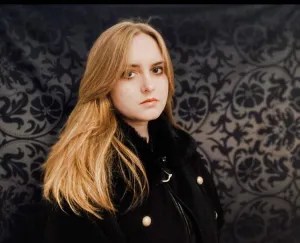
Fia:“I graduated from law school, but I still need to take and pass the bar exam to become a lawyer. I went to law school to become a music lawyer because I wanted to be able to legally protect my own work, and build a career off of helping others protect their work as well. Given my interest in public policy (my undergraduate degree was a combination of economics and political science) and music, it seemed like a natural combination of my interests. It would also give me the technical skills needed to become a reputable industry professional in a niche area.”
You never know how your music and your education can intertwine in useful ways. But we wanted something more concrete—what should musicians actually keep in mind?
Fia:“There are a lot of things, haha. One issue that has popped up a lot recently at work is trademark registration. Do not attempt to file your own trademark application for your artist name, logo, or slogan. Trademark registration requires in-depth knowledge of trademark law; it’s not as simple as uploading your logo and hitting ‘submit’. A trademark examining attorney at the USPTO will review your application to ensure that, among other things, you are actively using your mark in interstate commerce, your mark does not infringe on existing trademarks, and you are using your mark in association with goods and services that originate solely from you. It is a lengthy, complicated process, and you don’t want to pay thousands of dollars only to find out that you filed your trademark application incorrectly and now must pay thousands more for a lawyer to fix it.”
At MER, we bring you free legal wisdom (not advice!) from people in the scene. What more could you want? And hey—if you’re outside the U.S., check with your own country’s laws and services. We wrapped things up with a little more on what to look for if you’re hiring legal help.
Fia:“Music law is a very niche field of law that requires a lawyer’s application of business law, copyright law, trademark law, and substantive experience in the music industry. Many lawyers claim to be ‘music lawyers’, but effective practice of music law requires specialized knowledge and experience. Before hiring a lawyer for matters related to your music career, do your research and make sure that the lawyer you’re hiring has extensive experience working with musicians on copyright, trademark, and business law matters (depending on your legal issue). My firm recently worked with a client whose previous lawyer drafted an unenforceable producer agreement because the previous lawyer did not understand how copyright law affects producer rights and royalties. Make sure you hire an expert.”
This sounds complicated enough that maybe MER should have its own lawyer on call. You never know! It’s easy to get Don King’d out there. But we had to close on a more Metal note:
Fia:“I plan to continue honing my skills as a musician so that each album is better than the last, and to continue helping musicians take proactive steps to protect their careers. Preventing problems is always easier than fixing them.”
And that’s it for now—go follow Exiled Hope here and MER here!
Until next time, protect your neck and your IP.
 Metal Eclipse Reviews